
BUYER'S GUIDE
Mesh vs Upholstered Office Chairs: What Is Actually Being Compared?
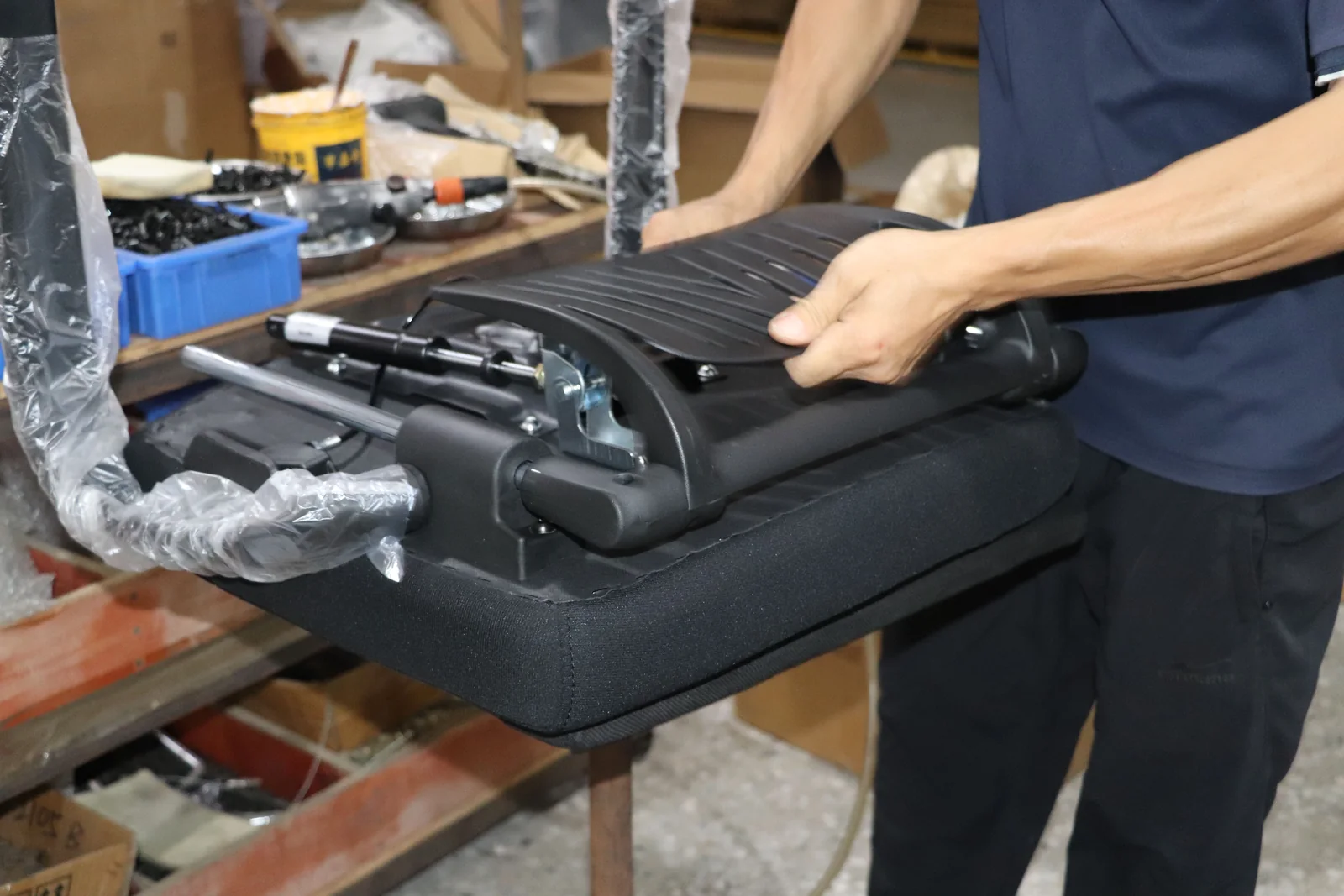
A mesh chair usually uses a tensioned textile or polymer panel over a frame. An upholstered chair generally uses a cover material—often fabric—over cushioning or padding. Those labels alone are incomplete. A “fabric chair” may have an upholstered seat only; a “mesh chair” may still have an upholstered seat.
Log the material by chair area rather than treating it as a whole-chair label. This prevents a hybrid chair from being compared as if it were full mesh or fully upholstered.
| Chair Area | What To Record | Why It Matters |
|---|---|---|
| Backrest | Mesh or upholstery, panel construction, visible edges | Back contact, appearance, and care may differ from the seat. |
| Seat | Cover material, cushioning description, seams | Often a different construction from the backrest. |
| Lumbar, headrest, and arms | Material and whether it is a contact surface | These may need different care or replacement information. |
| Exact configuration | Model, sample ID, colour/finish code, specification revision | Stops a sample being approved for a different chair build. |
The material decision belongs beside, not instead of, a fit check. OSHA recommends trying a chair for comfort and fit over an extended period and includes firm, breathable, resilient seat and back material in its purchasing criteria.[1] That is not a rule that one construction suits everybody. Use the ergonomic office chair fit and feature guide for the broader adjustment and fit questions.
BUYER'S GUIDE
How Mesh and Upholstery Differ in Feel, Support, and Appearance
Mesh and upholstery create different contact surfaces and visual effects, but neither label proves a comfort, support, cleaning, or durability result. Tension, backing, padding, edge construction, stitching, and personal preference all affect the experience. Review the backrest and seat separately.
The UK Health and Safety Executive treats chair support as one element of the workstation, alongside seat height, screen, keyboard, and mouse position.[2] A material sample can help inform a preference; it cannot show whether the full chair works at the intended desk.
| Review Area | Mesh: What To Observe | Upholstery: What To Observe | Evidence To Request |
|---|---|---|---|
| Contact feel | Surface texture, tension, frame or edge contact | Cover texture, cushioning, seams, pressure points | Physical sample or identified display chair |
| Appearance | Openness, weave, frame colour, transparency | Colour, texture, sheen, piping, stitch detail | Approved swatch, colour/finish code, current image |
| Construction | Panel attachment and replaceability, if stated | Padded areas and cover application | Model drawing or configuration sheet |
| Care | Approved method for mesh and frame | Approved method for cover and padding | Current, configuration-specific care guide |
What To Check On A Mesh Sample
Handle and sit against the actual mesh where possible. Record the weave or knit appearance, perceived tension, edge finish, frame contact points, and sample ID. Ask whether the sample represents the full chair back or only a swatch; a cutting does not show how a tensioned panel will look when fitted.
What To Check On An Upholstered Sample
Record the cover name or code, colour, texture, seams, and whether the swatch represents the seat, back, or both. If cushioning matters, inspect the upholstered portion on the intended chair configuration. Do not infer composition, abrasion performance, or fire performance from appearance; request applicable written documentation instead.
BUYER'S GUIDE
Mesh Back, Upholstered Seat, or Full Upholstery?
A mesh-back chair with an upholstered seat is a hybrid, not a full-mesh chair. Name it that way in product pages, quotations, and purchase records.
| Construction | Material-By-Area Description | Decision Prompts |
|---|---|---|
| Full mesh | Mesh on primary back and seat contact areas | Are both contact surfaces acceptable? Are the edges and care instructions clear? |
| Mesh back with upholstered seat | Mesh back; fabric-covered, padded, or otherwise upholstered seat | Does the buyer accept two care routines and the combined appearance? |
| Full upholstery | Upholstered cover materials on primary back and seat contact areas | Are cover, seams, padding, and care directions documented for both areas? |
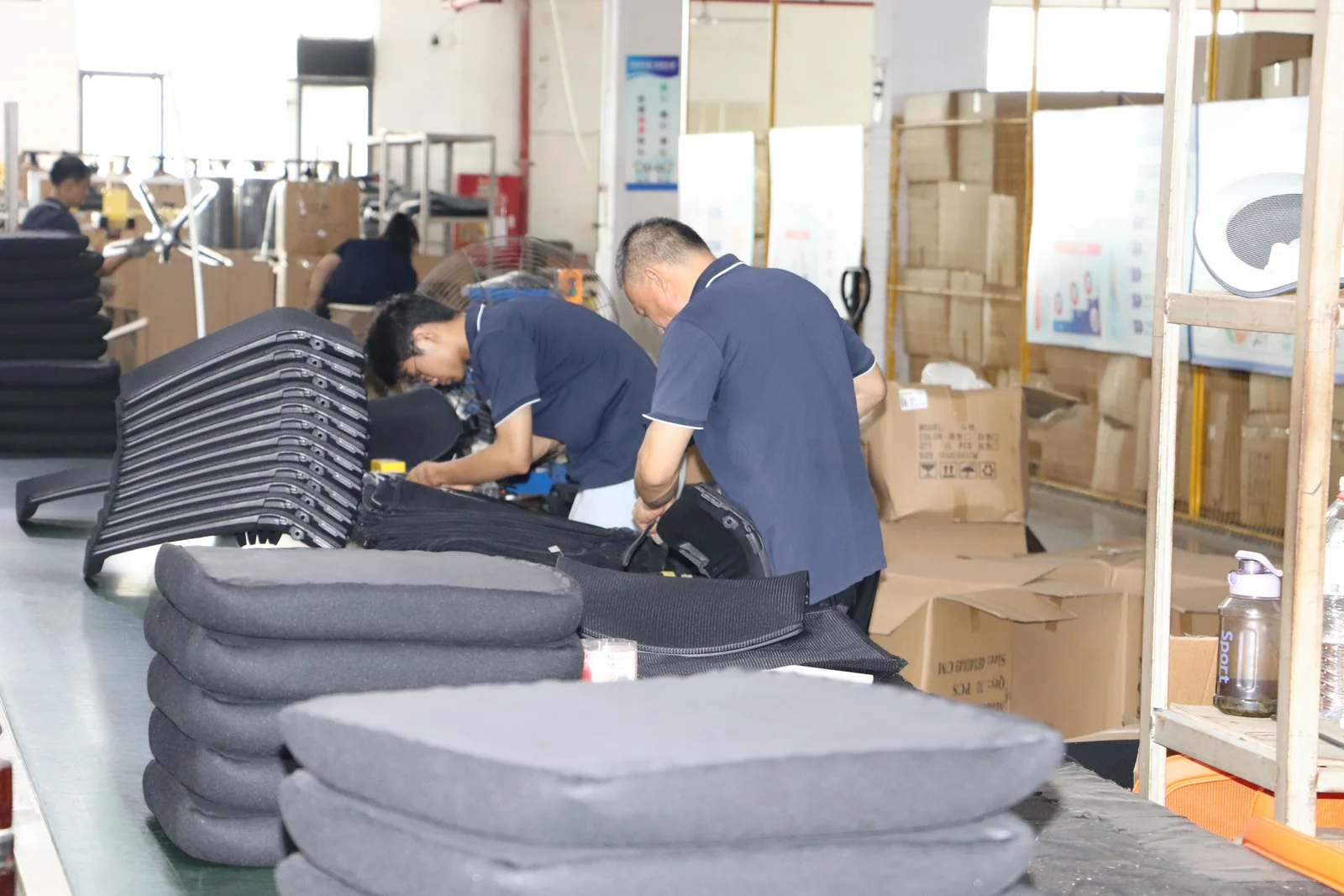
A material-by-area description helps an office buyer order the construction trialled and helps a retailer explain what the customer will touch.
BUYER'S GUIDE
Cleaning and Care: Questions To Ask Before You Choose
Use the supplier’s written instructions for the final material and configuration. Generic online advice may conflict with a cover finish, mesh construction, adhesive, padding, or frame coating. Until written instructions are supplied, do not promise that a chair is washable, stain resistant, disinfectant compatible, or suitable for a particular cleaner.
| Care Question | What To Confirm | Record It Against |
|---|---|---|
| Routine cleaning | Permitted method, tool, and product type | Exact material and chair area |
| Marks or spills | Immediate action, spot-test direction, prohibited products | Care-guide version and sample reference |
| Shared or public settings | Cleaning/disinfection guidance, if supplied, and stated conditions | Supplier document and final configuration |
| Parts or repairs | Whether a panel, cover, or component is separately available | Approved service information, if available |
How To Compare Care Instructions
Compare documents only after confirming they cover the same material code and chair configuration. Check the date, chair areas covered, permitted and prohibited methods, and whether the guidance covers routine cleaning or another use case. BIFMA publishes a furniture-surfaces standard on exposure to cleaning, sanitizing, and disinfecting methods, but that is not evidence that every chair or finish has been evaluated to it.[3] Request documentation for the actual product.
BUYER'S GUIDE
Which Material Fits Your Work Setting and Style Priorities?
Choose against a defined setting, not a blanket rule about temperature or upkeep. A home office may prioritise preferred visual texture and a familiar care routine. A shared desk area may make clear, repeatable care guidance more important. Reception and meeting spaces may place more weight on how back, seat, and frame colours read together.
For screen-based work, revisit the whole setup. HSE guidance considers seat support and space behind the knee alongside screen and keyboard placement.[2] Use the office-chair buying guide to review fit and adjustability before narrowing material choices.
| Setting Or Priority | Questions That Narrow The Choice |
|---|---|
| Home office | Which contact surface and visual finish do you prefer for daily use? What care can you follow? |
| Shared desk area | Is there a current, usable care instruction for this exact combination? Can users adjust the chair to fit? |
| Reception or meeting room | How do back, seat, and frame colours look at room distance? Is the configuration consistent across the range? |
| Warm or variable room | Have you tried the specific chair in the intended setting instead of relying on the material label? |
BUYER'S GUIDE
A Practical Sample-Review Checklist For Buyers
A useful sample review connects what is seen and felt to the orderable configuration. Use this record for each shortlisted option.
| Field | Buyer Record |
|---|---|
| Chair model and configuration | |
| Sample ID and colour/finish code | |
| Material by chair area: back, seat, arms, lumbar, headrest | |
| Touch, appearance, edge, and seam notes | |
| Care instruction document and version | |
| Intended market and use setting | |
| Supporting specification or drawing revision | |
| Open questions and decision owner/date |
Questions To Send With A Sample Request
Ask the supplier to identify the chair model and configuration represented, the material and colour code for each relevant area, and the current care guide. If market-specific requirements, test information, or labels are relevant, ask which documents apply to the final configuration and destination. For US upholstered products within the applicable federal scope, CPSC explains that the federal standard addresses upholstered-furniture flammability and includes permanent-label requirements. Verify applicability with the supplier or an appropriate compliance adviser rather than assume a sample demonstrates compliance.[4]
BUYER'S GUIDE
A Simple Decision Framework: Choose By Evidence, Not Labels
| Step | Buyer Action |
|---|---|
| Name the construction | State whether the back and seat are mesh or upholstered; call out hybrid combinations. |
| Review contact surfaces | Trial the actual chair where possible and consider the intended desk and user needs. |
| Compare care evidence | Match every care guide to the material code and chair area. |
| Confirm the visual selection | Keep approved swatch, frame colour, and product image with the model reference. |
| Hold open items | If construction, care, or market documentation is unclear, leave the choice open rather than assume. |
This avoids the unreliable shortcut of ranking mesh above fabric, or fabric above mesh, without a specific chair in view.
BUYER'S GUIDE
For Brands and Wholesale Buyers: Confirm The Exact Material Specification
For a range purchase, keep material language consistent from approved sample to product page, quotation, and final order. Confirm the material by chair area, sample and colour codes, back-and-seat combination, configuration or drawing revision, care-document version, destination market, and any required product-copy wording.
UK buyers should check final-product requirements against the destination and current law. The UK Furniture and Furnishings (Fire) (Safety) Regulations include upholstery test provisions, including separate treatment where materials differ by furniture part.[5] This is a reason to obtain configuration-specific compliance information where applicable, not a claim that an unverified chair meets a requirement.
If a material specification will be developed or altered for a range, clarify the OEM vs. ODM office furniture scope first. When comparing supplier responses, use an office furniture RFQ and quotation comparison guide so samples, documents, and quoted configurations are assessed on the same basis. Additional procurement reading is available in our resources, and product-category information should be checked against the current products pages.
BUYER'S GUIDE
Ask About Available Material Samples
If you are evaluating a particular chair type and material combination, contact GB Ergonomic with the back and seat construction, preferred colour or sample reference, intended market, and any current specification. Ask which material samples and matching specification details are currently available for review.
FREQUENTLY ASKED QUESTIONS
Questions to settle before you request a quotation.
Is A Mesh Or Fabric Office Chair Better?+
Neither is automatically better. Compare the exact chair construction, fit, feel, care instructions, and intended setting. A mesh-back chair with an upholstered seat is a hybrid, not a full-mesh chair.
Is A Mesh-Back Chair With An Upholstered Seat A Full-Mesh Chair?+
No. Describe the back and seat separately. This distinction matters for what users touch, how the chair looks, and which care instructions apply.
Is Mesh Easier To Clean Than Upholstery?+
Do not assume so. Cleaning suitability depends on the specific mesh or cover, construction, finish, and supplier guidance. Use written care instructions for the exact material code and chair configuration.
What Material Details Should A Wholesale Buyer Confirm?+
Confirm material by chair area, sample and colour codes, final chair configuration, care-document version, intended market, and relevant documentation before approving a quotation or product listing.
RELATED BUYER GUIDES
Continue with the next practical question.
Each guide below develops the product, evidence or commercial question that naturally follows this one.
ERGONOMIC SEATING
Ergonomic Office Chairs: A Buyer’s Guide to Fit, Features, and Use
Create a practical shortlist by checking user fit, adjustments, materials and the exact model specification.
FACTORY VERIFICATION
The Complete Buyer’s Guide to Evaluating an Ergonomic Office Chair Manufacturer
Compare a chair factory through product evidence, sample control, production repeatability and commercial accountability.
COMPLIANCE
How to Approach Certification Requirements for an International Office Furniture Launch
Start compliance planning with market, configuration and evidence rather than generic badge claims.
READY TO MAKE A MORE INFORMED DECISION?
Discuss Your Product Brief
Share the product direction, destination market and open questions. We will help identify the details worth clarifying before a quotation or sample discussion.
Get a focused responseSOURCES AND FURTHER READING
The references below support the standards, procurement and workplace context in this guide. Requirements should always be verified against the exact product configuration, destination market and commercial arrangement.
- Occupational Safety and Health Administration: Computer Workstations Purchasing Guide
- UK Health and Safety Executive: Good Posture When Using Display Screen Equipment
- BIFMA: Standards Descriptions
- U.S. Consumer Product Safety Commission: New Federal Safety Standard for Upholstered Furniture Fires Goes Into Effect
- UK Legislation: Furniture and Furnishings (Fire) (Safety) Regulations 1988
- OSHA Computer Workstations Purchasing Guide
- HSE Good Posture When Using Display Screen Equipment
- BIFMA Standards Descriptions
- CPSC Upholstered Furniture Standard Announcement
- Furniture and Furnishings Fire Safety Regulations 1988
ABOUT THIS GUIDE
Written by the GB Ergonomic Editorial Team and reviewed on October 27, 2026. This is an educational buyer resource, not legal, certification or regulatory advice. Product evidence, standards and commercial terms should be confirmed for the exact configuration and destination market.