
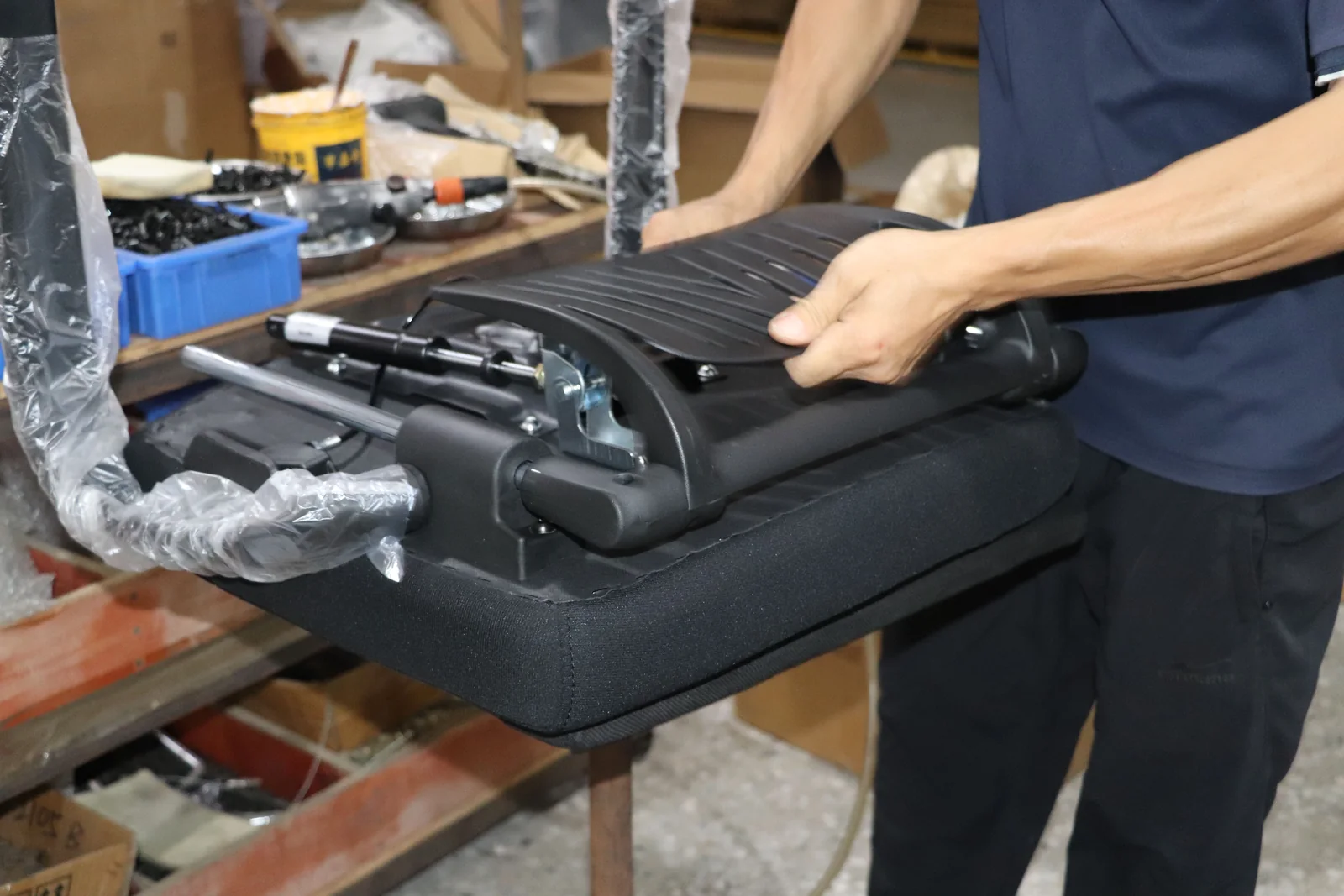
MAP THE LAUNCH
Start with the market, product and economic operator—not a list of logos.
A desk and a chair may look like straightforward furniture, but the relevant compliance conversation changes when electrical parts, upholstery, composite wood, consumer sales, commercial sales or a new destination market are involved. Begin with a launch map: where the product will be sold, who is placing it on the market, who is importing it, what exact model is involved and what features or materials make it different.
This map makes it easier to distinguish what the law requires from what a customer, retailer, tender or certification programme asks for. It also stops the common error of applying a document from one product family or country to another without checking its scope.
The first compliance question
What is the exact SKU, destination and commercial role of each party? Without those three facts, a useful compliance answer is usually impossible.
UNDERSTAND CE MARKING
CE marking applies only where a relevant EU rule requires it.
The European Commission says CE marking is required only for products covered by harmonised EU rules that specifically call for it. It also makes clear that there is no central EU body issuing a general CE certificate, and voluntary certificates do not replace the conformity assessment required under the relevant rule.
Where CE marking does apply, the manufacturer is responsible for the conformity assessment, technical documentation, EU Declaration of Conformity and marking. Importers and distributors have separate checks. The person selling under their own name or brand can become the manufacturer for these purposes. That is why a private-label buyer should clarify roles before launch rather than treat CE as a document a supplier simply sends across.
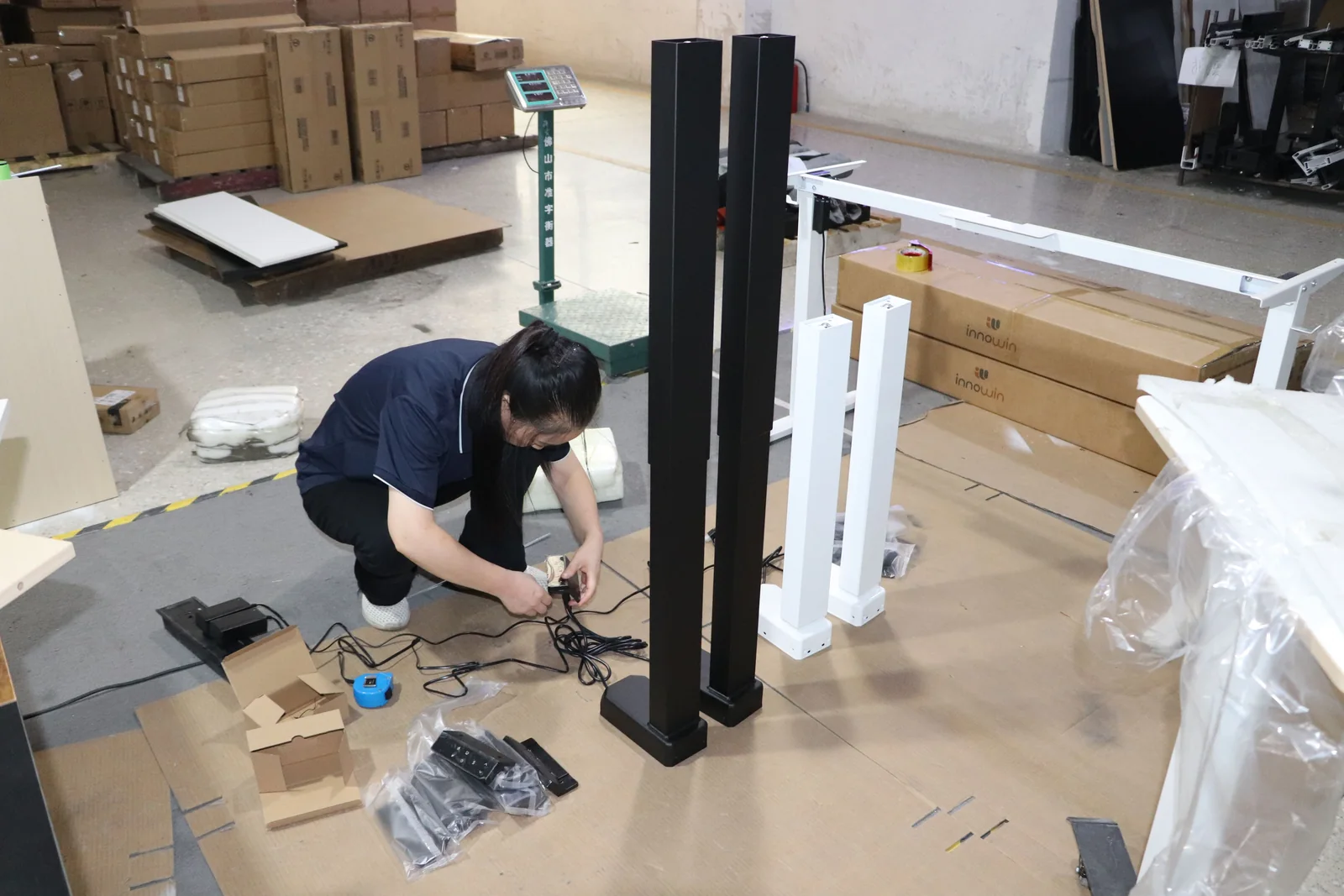
MATCH THE EVIDENCE
A product test, a certificate and a management-system certificate answer different questions.
BIFMA lists different test standards for general-purpose office chairs, large-occupant chairs, desks and tables, and other furniture categories. ISO also publishes seating and furniture standards with defined scopes. These documents can inform a buyer's evidence request, but they do not establish that an unreviewed product is compliant in a particular country.
Ask for the model identifier, test sample, standard edition, laboratory or certification body, report date and conditions. Then compare them against the exact quoted configuration. If an electrical component, upholstery, top material or control changes after the report, ask whether the change affects the document. A clear answer is more useful than a long bundle of unrelated certificates.
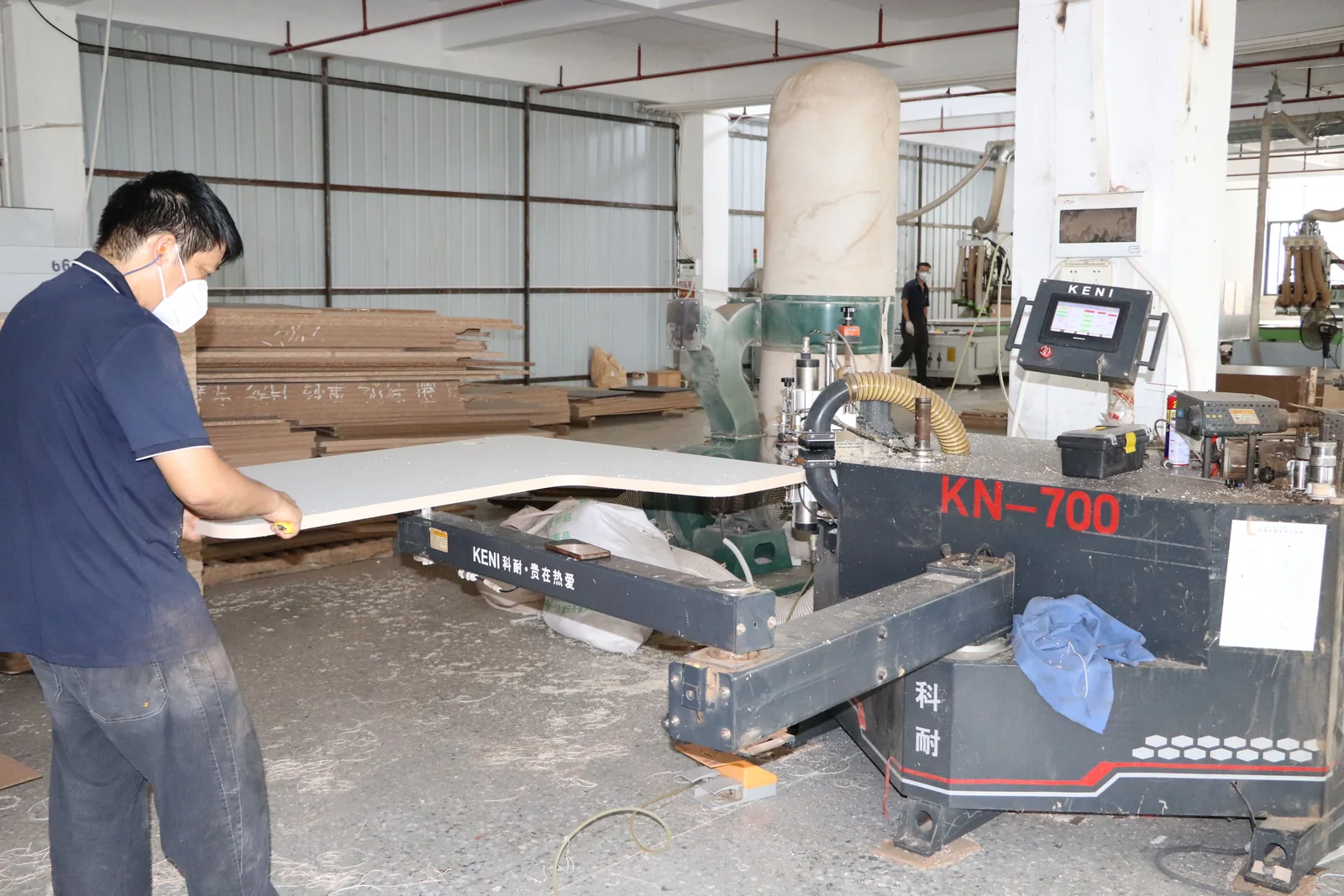
KEEP DOCUMENTS CURRENT
Change control protects the evidence after the first sample is approved.
The EU's product-safety framework and REACH requirements are reminders that product information cannot be treated as a one-off filing task. The European Commission describes REACH as placing responsibility on industry to manage chemical risk and provide safety information. It also notes a 45-day response duty to a consumer inquiry about substances of very high concern in an article.
For a buyer, the operational lesson is straightforward. Keep a controlled list of approved materials, components, reports, declarations and artwork. Decide how a proposed change is reviewed and who confirms the evidence still applies. This does not turn your team into a regulator; it gives you a defensible way to ask the right specialist questions before a product changes.
Document-control prompt
If the motor, controller, board, mesh, foam, coating or supplier changes, what document is checked, who approves the change and how is the buyer told?
BUILD A QUOTE-READY EVIDENCE PACK
Put compliance scope in the commercial brief.
A good RFQ asks the supplier to confirm which documents are available for the proposed configuration and which items require further market-specific assessment. This makes compliance cost, time and ownership visible. It also prevents a launch team from assuming that an early sample has cleared every version, finish or electrical option.
The objective is not a dramatic claim that your furniture is certified everywhere. It is a repeatable method for making products, destinations and evidence line up. Work with qualified laboratories, conformity professionals and legal advisers where the market requires it.
FREQUENTLY ASKED QUESTIONS
Questions to settle before you request a quotation.
Does every office chair or desk need CE marking in the EU?+
No. CE marking is used only where a relevant harmonised EU rule requires it. Whether that applies depends on the product and applicable law. Do not place a CE mark on a product merely because it is sold in the EU or contains a general certificate.
Can a supplier's report cover every colour and component variation?+
Not automatically. Review the report's model, configuration, sample description and scope. Ask the supplier or issuing body how a change to materials, electrical components or construction affects the evidence.
When should we involve a compliance specialist?+
Bring one in when the market, product features or sales role create legal uncertainty, particularly around electrical parts, material restrictions, fire performance, labelling or responsible economic operators. This guide supports a sourcing brief; it is not legal advice.
RELATED BUYER GUIDES
Continue with the next practical question.
Each guide below develops the product, evidence or commercial question that naturally follows this one.
FACTORY VERIFICATION
The Complete Buyer’s Guide to Evaluating an Ergonomic Office Chair Manufacturer
Compare a chair factory through product evidence, sample control, production repeatability and commercial accountability.
ERGONOMIC SEATING
Mesh vs Upholstered Office Chairs: A Material Decision Guide
Compare chair material directions by construction, feel, care expectations and brand positioning.
STANDING DESKS
Standing Desk Frame Buyer’s Guide: How to Choose the Right Electric Base
Compare electric bases through final configuration, evidence, controls and a like-for-like commercial brief.
READY TO MAKE A MORE INFORMED DECISION?
Start a compliance conversation with the right product facts.
Tell us the target market, product category and electrical or material direction. We will help clarify the documentation questions to take into your launch plan.
Discuss a market-specific product briefSOURCES AND FURTHER READING
These external references support the standards, shipment and regulatory context in this guide. Requirements should always be verified against the exact product configuration, destination market and commercial arrangement.
ABOUT THIS GUIDE
Written by the GB Ergonomic Editorial Team and reviewed on October 27, 2026. This is an educational buyer resource, not legal, certification or regulatory advice. Product evidence, standards and commercial terms should be confirmed for the exact configuration and destination market.