
An ergonomic office chair manufacturer should be judged by more than a product image, a broad certificate claim or the first quotation. The meaningful comparison begins when you can connect a proposed chair to its intended users and market, then follow the evidence from the approved sample through production, packaging and delivery.
STEP 1 · START WITH THE PRODUCT YOU WILL ACTUALLY SELL
Define the chair before you evaluate the factory.
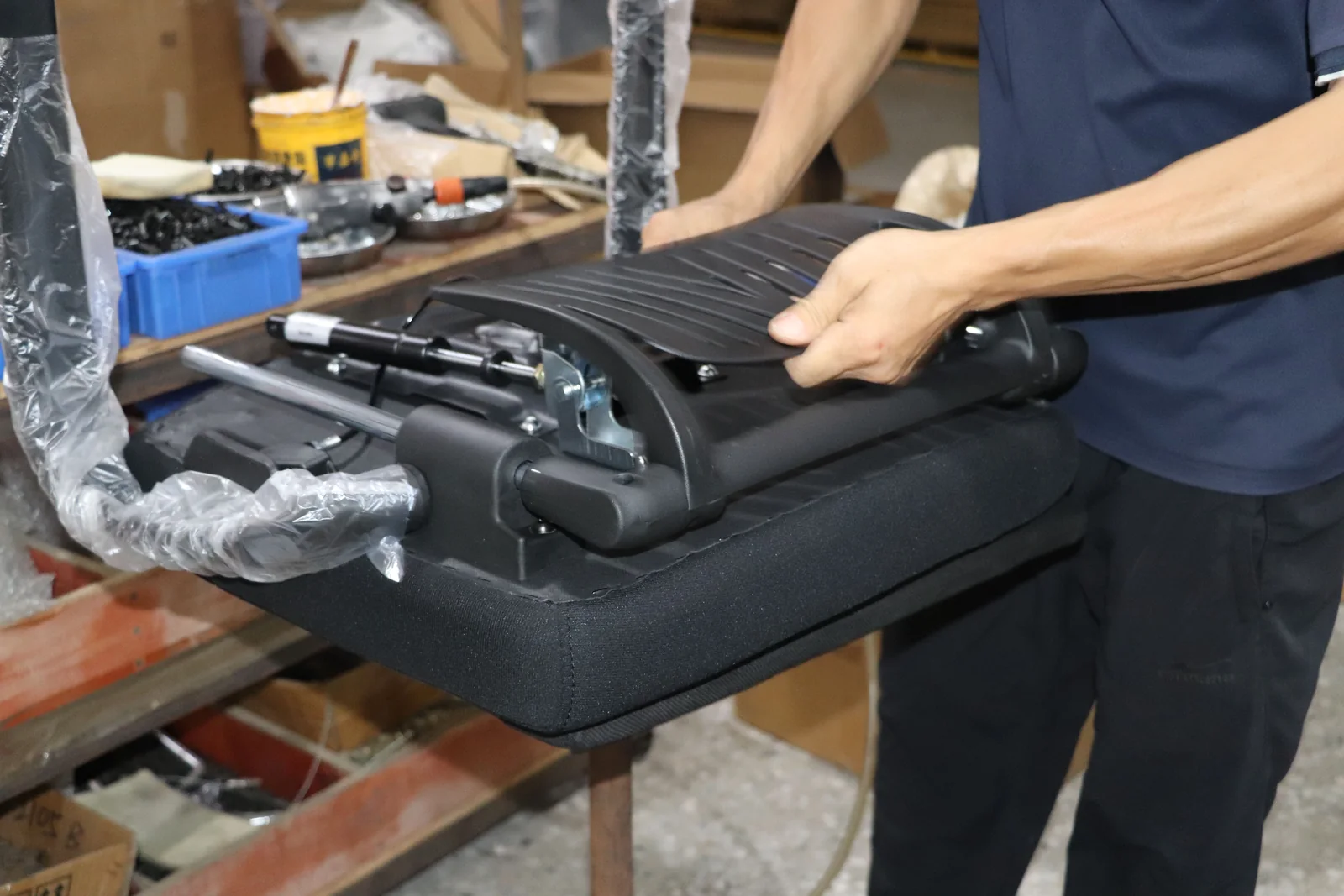
A supplier comparison becomes unreliable when one factory quotes a fully loaded task chair and another quotes a visually similar chair with a different mechanism, gas lift, base, caster, mesh, foam, armrest or packaging. The buyer's first document should identify the model, proposed variants, intended price position, sales channel, user profile, market and target delivery window.
For an ergonomic chair, move beyond the phrase “fully adjustable.” Ask which adjustments are included, their usable range, how they are locked, which components carry load, and how the user is expected to assemble or use the chair. A capable manufacturer should turn those decisions into a drawing, bill of materials, finish reference and sample plan that your product and quality teams can approve.
Questions for the product brief
Who will use it? Which functions are non-negotiable? Which components are brand-defining? Which choices must stay fixed after sample approval?
Evidence tied to the configuration
Ask the manufacturer to identify exactly what the sample, test report, material document and packing specification cover—and what they do not cover.
STEP 2 · ASK WHAT THE CLAIM MEANS
Validate safety, durability, emissions and material evidence at product level.
Standards are useful when they help you ask a better question. They are risky when they become a generic logo on a quotation. BIFMA lists ANSI/BIFMA X5.1-2017(R2022) for general-purpose office chairs; it also lists a different standard, X5.11, for general-purpose large-occupant office chairs with a 181 kg / 400 lb test basis. The relevant standard needs to fit the chair category and the promise you intend to make. Read BIFMA's standard descriptions.
For buyers in the United States and other BIFMA-oriented programs, a practical check is to ask for the report identifying the model and test scope, the laboratory and the result. BIFMA's own Compliant program requires testing in an ISO/IEC 17025 accredited laboratory with the relevant standard in its scope, and it notes that a substantive product change triggers retesting. Its public registry is useful for verification, but BIFMA also says its program does not review engineering drawings or material specifications. Those still belong in your own product file. See how BIFMA explains verification.
Indoor-air and sustainability statements require the same precision. UL describes GREENGUARD certification as a low-emissions program that includes manufacturing-process review and routine testing; its Gold level uses lower emission limits and covers more than 360 VOCs and total chemical emissions. A buyer should confirm the current product listing and whether the quoted chair configuration is included before marketing it as certified. Review UL's GREENGUARD criteria.
For wood-based parts, FSC chain-of-custody certification is about a documented path: certified material must be identified and tracked through manufacturing and distribution, with production, purchase and sales records retained. Ask which exact component and claim apply. For EU-bound products, product safety and chemical conversations should be matched to the destination market and configuration. The European Commission identifies Regulation (EU) 2023/988 as the General Product Safety Regulation, while REACH places chemical-risk and information responsibilities on industry. This guide is not legal advice; confirm market obligations with a qualified compliance professional for the intended sale model.
A PRACTICAL EVIDENCE LADDER
Start with a claim. End with a record tied to your actual chair.
01
Product Fit
Can this exact chair configuration fit your users, price position, channel and market?
02
Evidence
Are the report, certificate, listing and material claims traceable to the exact model?
03
Repeatability
Can the factory show how sample approval becomes component, process and final-inspection controls?
04
Commercial Control
Are MOQ, tooling, packing, delivery, payment and claim-handling responsibilities clear before release?
STEP 3 · LOOK FOR REPEATABILITY, NOT JUST CAPACITY
Ask how the approved chair becomes the same chair at scale.
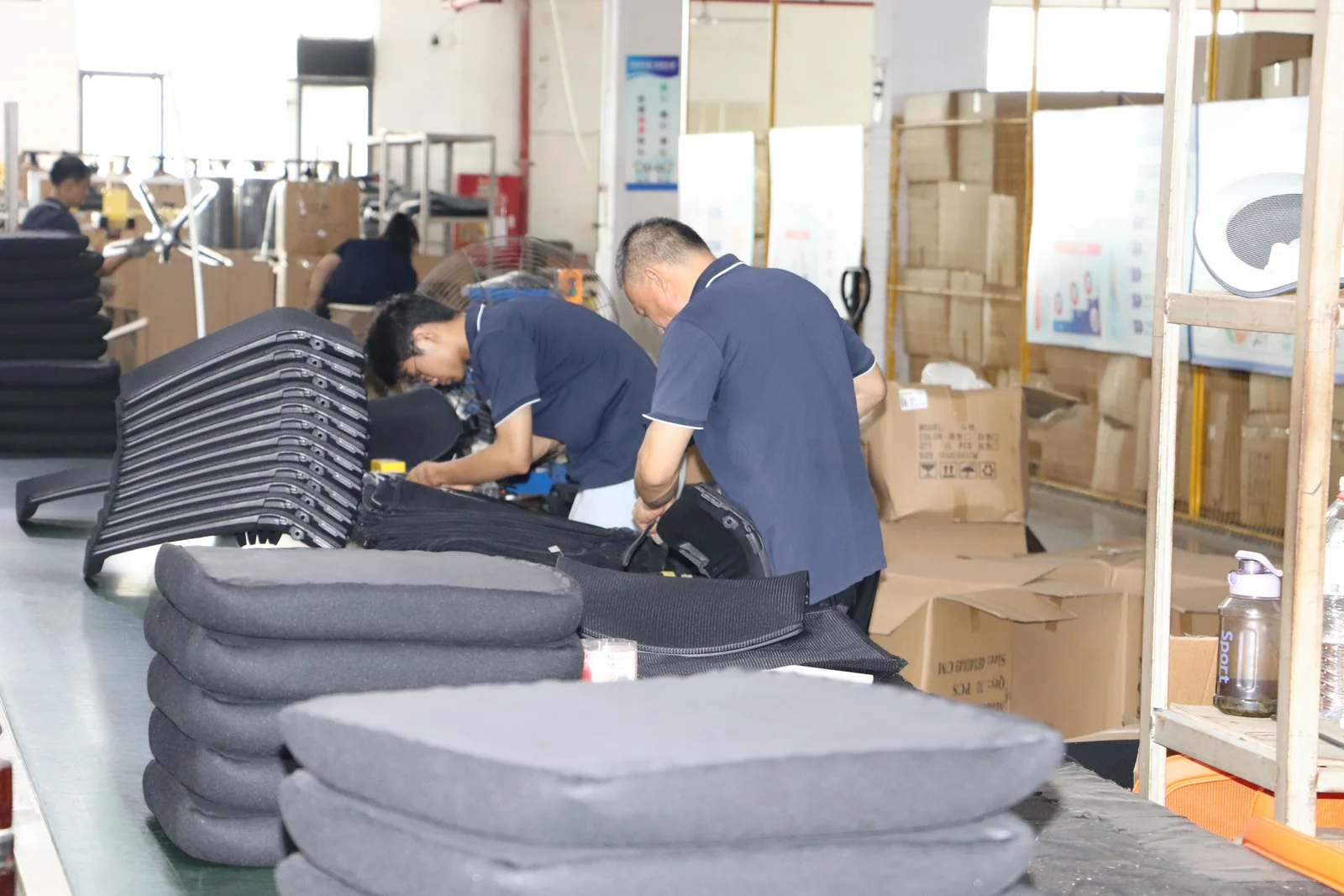
A factory visit, live video walkthrough or well-documented remote review should show the connection between the approval sample and production. The important evidence is not a perfect showroom. It is whether the manufacturer can identify critical components, define incoming checks, demonstrate function and appearance criteria, control packing and hold records when a variation appears.
ISO 9001 can be a useful quality-system signal because it is a framework for documented information, monitoring, measurement and continual improvement. But ISO states clearly that the standard does not prescribe how an organization must operate and that certification is voluntary. A management-system certificate cannot replace a chair-specific report, a signed golden sample or a production inspection record. Read ISO's explanation of ISO 9001.
The factory review questions that uncover operational maturity
Ask the supplier to walk you through one approved chair: which sub-suppliers and components are locked, where each incoming or in-process check occurs, what happens when a part fails, how final inspection is sampled, and how the packing standard protects the product through container loading. Ask for the record format—not only a verbal assurance.
STEP 4 · MAKE THE COMMERCIAL RISKS DISCUSSABLE
A strong supplier relationship makes problems governable before they happen.
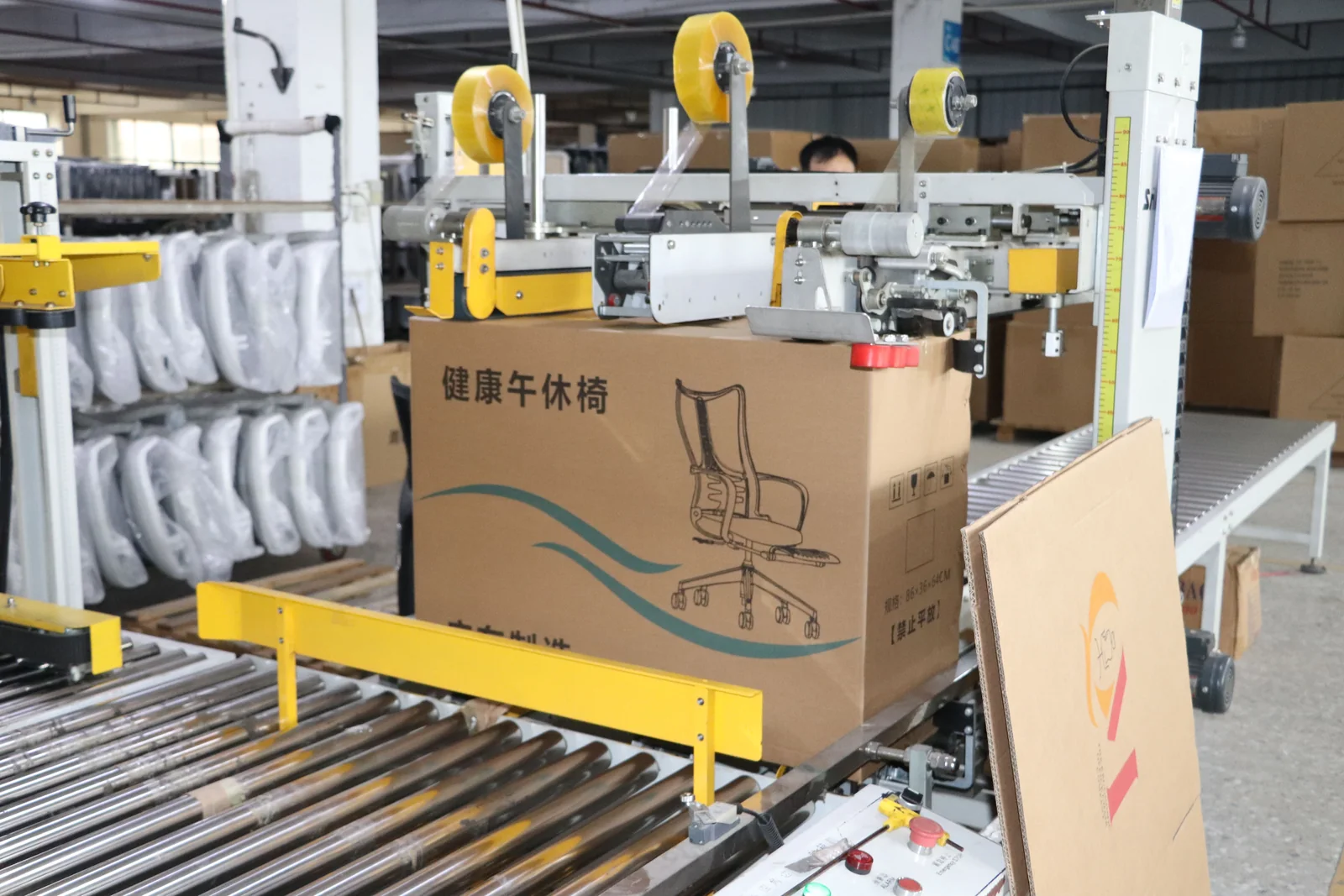
Price is only one part of the buying decision. Before a purchase order is released, clarify the MOQ by model and finish, sample charge and credit policy, tooling ownership, allowed changes after approval, production lead time, inspection rights, packing, loading plan, shipping documents, payment milestones, warranty scope and the escalation path for defects or delays.
For a special development, discuss NDA terms and the use of drawings, molds, color references and buyer-supplied information before the commercial work begins. A supplier that welcomes these questions is not necessarily perfect; it is simply giving you a more usable way to allocate responsibility. Let your legal and commercial teams decide the final contract language.
A SIMPLE SUPPLIER COMPARISON METHOD
Compare the same five pieces of evidence from every shortlisted manufacturer.
- 1. Configuration: a model-specific product brief and a clear list of deviations from your target.
- 2. Proof: relevant reports, certificates, registry records and material declarations that can be checked.
- 3. Sample: an approval route showing what is frozen, what can still change and how changes are documented.
- 4. Process: visible component, function, finish, packing and final-inspection checkpoints.
- 5. Commercial operating plan: lead time, delivery, payments, remedies and named communication owners.
FREQUENTLY ASKED QUESTIONS
Questions to settle before you ask for a final quotation.
What documents should I ask for before choosing an office chair manufacturer?+
Start with an exact model and configuration sheet, materials and component list, relevant product test reports, applicable certification or registry information, sample approval record, packing specification and a proposed quality-control plan. The useful question is not whether a document exists; it is whether it identifies the chair you will actually buy and sell.
Is a BIFMA claim enough to approve a chair?+
No single claim replaces model-level review. Ask which BIFMA standard applies, whether the test report covers your configuration, which laboratory performed the work and what changes would require retesting. BIFMA distinguishes its Compliant program from a product certification program, so buyers should understand the evidence behind the exact claim.
How can I tell whether a factory can keep the approved sample consistent in mass production?+
Ask to connect the approved sample to the production route: drawings, critical components, incoming checks, function tests, appearance criteria, packing approval and final inspection. A factory should be able to explain who checks each decision point, what record is retained and how an exception is escalated.
Can a special chair design be protected during OEM or ODM development?+
Discuss protection before drawings, samples or tooling are released. A practical agreement can define NDA scope, ownership of drawings and tooling, approved uses of the design, treatment of buyer-supplied information, and what happens if the project stops. Have qualified legal counsel adapt the agreement to the relevant jurisdictions and commercial arrangement.
RELATED BUYER GUIDES
Continue the chair program review.
Move from supplier evaluation into product fit, material decisions and factory-control questions.
ERGONOMIC SEATING
Ergonomic Office Chairs: A Buyer’s Guide to Fit, Features, and Use
Create a practical shortlist by checking user fit, adjustments, materials and the exact model specification.
ERGONOMIC SEATING
Mesh vs Upholstered Office Chairs: A Material Decision Guide
Compare chair material directions by construction, feel, care expectations and brand positioning.
QUALITY & RISK
A Buyer’s Checklist for Evaluating Desk and Office Chair Factory Quality Controls
Move the factory conversation from broad claims to visible working practices and controlled checkpoints.
READY TO COMPARE A PROGRAM?
Share your target market, chair direction and buying window. We will suggest the most useful first evidence to review.
GB Ergonomic supports B2B chair programs from product definition and samples through quality planning, packaging and delivery discussion. A quote is more useful when the early questions are clear.
Request a Chair Program ReviewSOURCES AND FURTHER READING
The external references below support the standards and compliance context in this guide. Requirements must always be verified against the exact product configuration, destination market and commercial arrangement.
ABOUT THIS GUIDE
Written by the GB Ergonomic Editorial Team and reviewed on October 27, 2026. It is an educational buyer resource, not legal, certification or regulatory advice. The evidence request should be adapted to the chair model, market and buyer's own specification.