
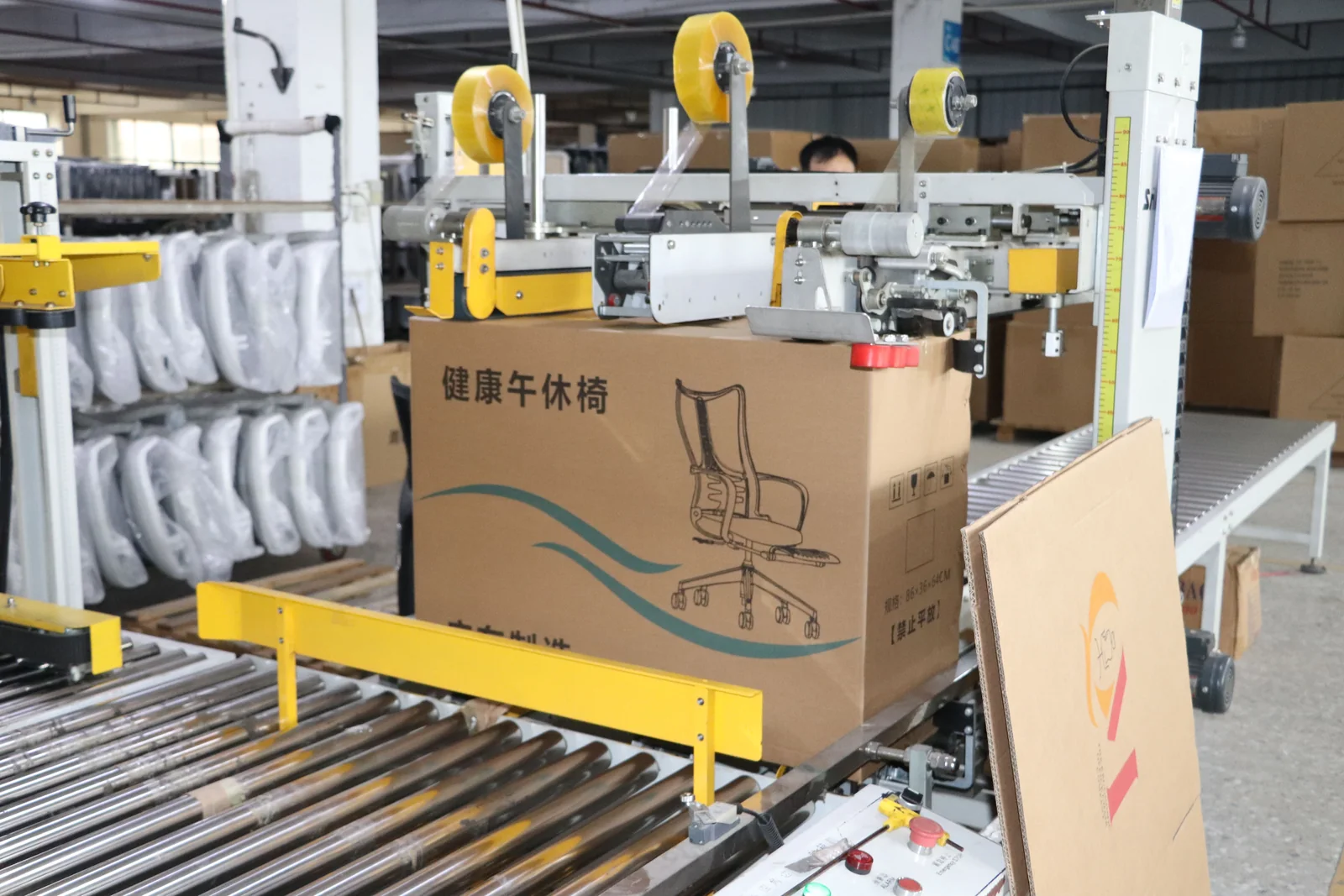
GATE 1 · SAMPLE SIGN-OFF
Approve a production version, not a one-off showpiece.
The sample should answer the questions that will matter in mass production: model and dimensions, frame or chair configuration, materials, finishes, visible detail, accessories, carton, labels and instructions. Capture photos and notes against an approval sheet, then issue a controlled revision. If a decision is still open, label it open instead of allowing it to become an assumption.
This record gives the buyer and manufacturer a common reference for later checks. It also defines the point at which a modification requires discussion. A sample is not a magic guarantee of mass-production conformity. It is the first release gate in a process designed to keep the programme aligned.
Sample record essentials
Model code, approved drawings, component and finish schedule, visible criteria, carton version, accessories, date, approver and every deviation from the original brief.
GATE 2 · PRODUCTION READINESS
Confirm the conditions for repeating the approved version.
Before production begins, ask the supplier to reconfirm the configuration, key components, material direction, artwork, labels, packaging and inspection plan. The goal is to identify any decision that could change the approved product before it moves through a line at scale.
This is also the right point to agree who will see which evidence. The buyer may require photos, measurements, inspection records, sample retention, third-party inspection or a specific sign-off for a high-risk detail. The exact plan should match the product and transaction; the discipline of agreeing it early is universal.
GATE 3 · IN-PROCESS AND FINAL CHECKS
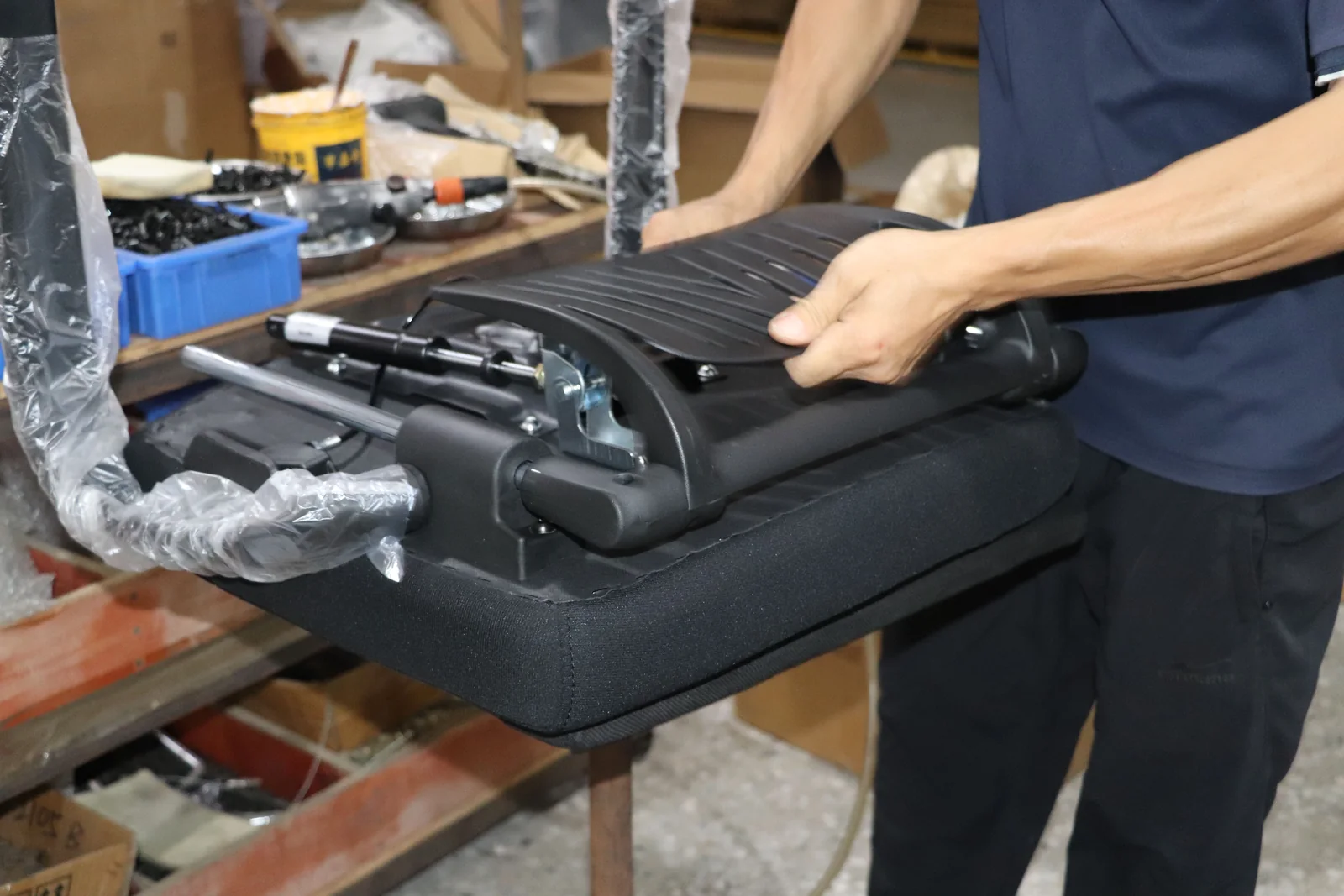
Use inspection to identify variation while there is still time to act.
The inspection plan should describe the checks that matter to the buyer: dimensions, functions, appearance, accessories, labelling, packing and any specific product requirement. It should also describe how a nonconforming item is contained and what evidence is needed before it is released. This makes inspection a decision tool instead of a tense event held at the end of the schedule.
For a motorised desk, component identity and functional behaviour may need special attention. For a chair, the approved mechanism, component set, adjustments, finish and pack-out need to stay connected to the sample. The exact acceptance criteria belong in the programme brief, not in a generic factory presentation.
GATE 4 · PACKAGING
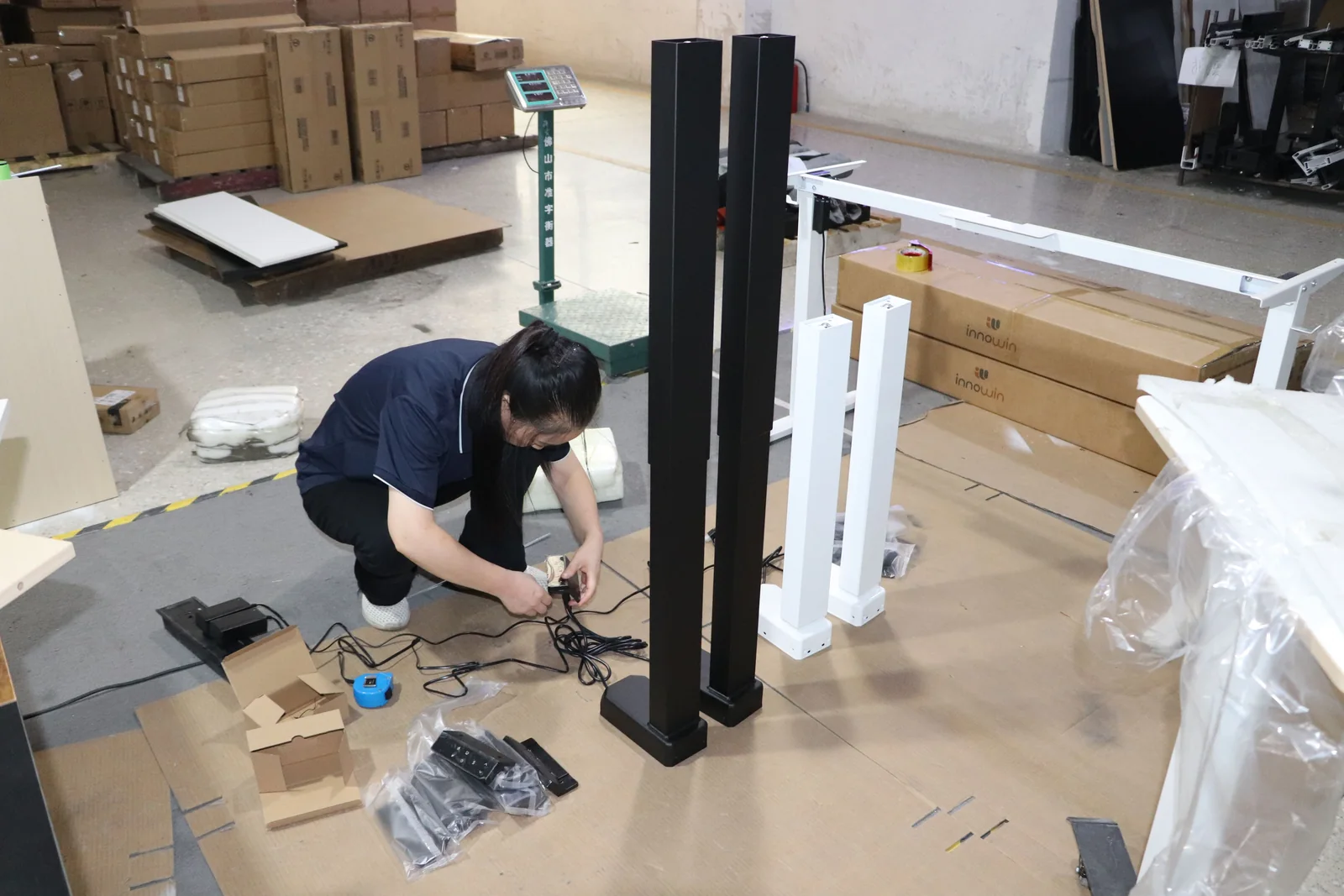
The carton needs to match the distribution route, not just the factory floor.
Packaging protects more than a product surface. It affects warehouse handling, accessory control, product identification, container loading and the customer's assembly experience. Review the approved carton, internal protection, labels, instructions and packing sequence before the goods are released.
The International Safe Transit Association advises that transport-packaging tests should reflect the real distribution environment, use representative products and packages, and be revisited when product, packaging or process changes could affect performance. The important buyer question is therefore practical: what route and handling assumptions does this approved pack need to survive?
GATE 5 · CONTAINER AND DOCUMENT RELEASE
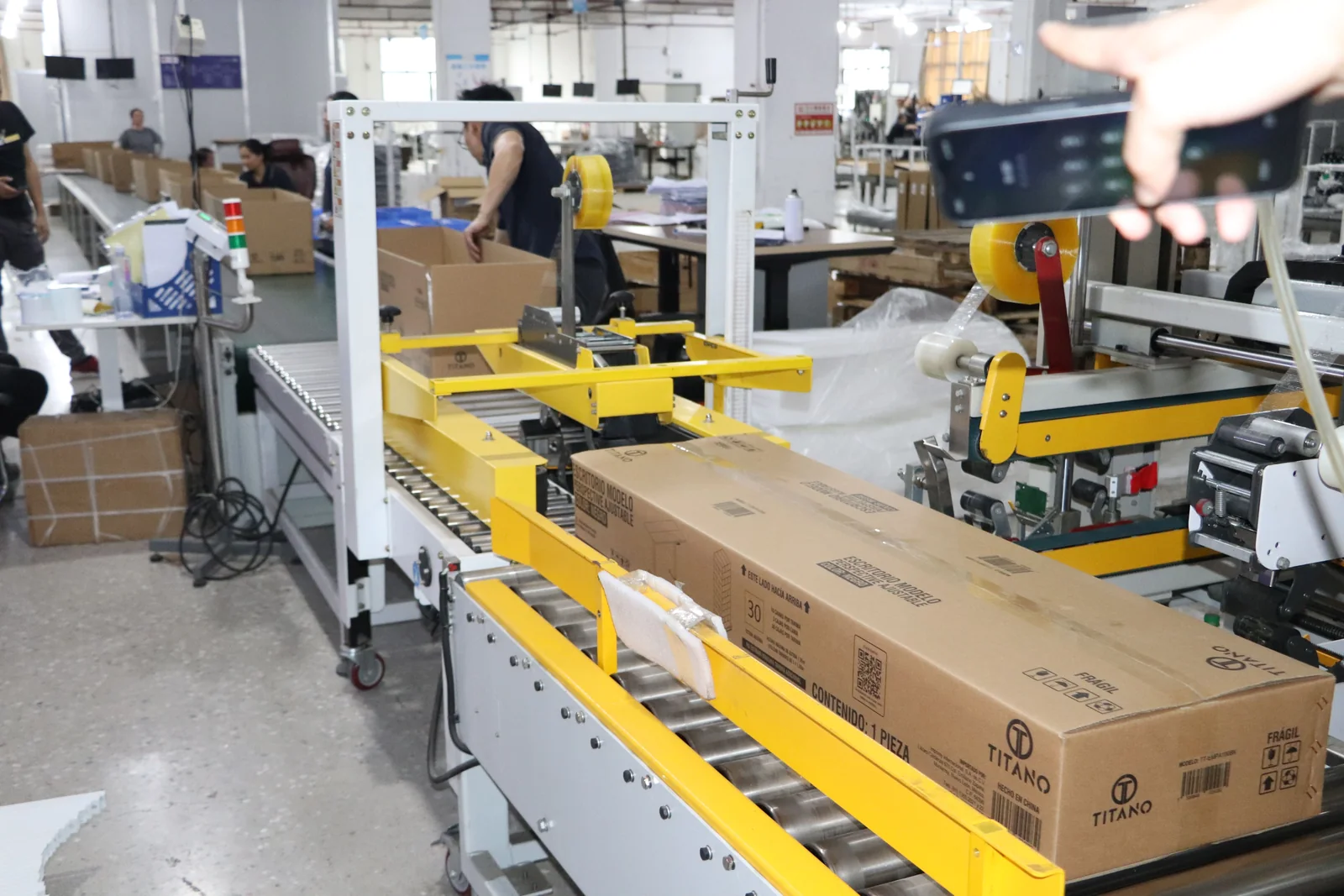
Loading day should confirm decisions, not introduce them.
Before loading, agree who supplies the packing list, commercial invoice, inspection result, loading photos, seal information and shipping instructions. The International Maritime Organization states that the shipper is responsible for providing verified gross mass for a packed container in shipping documentation, and that this is a condition for loading under SOLAS. Name the shipper and the practical process in the commercial agreement rather than leaving it to assumption.
UNECE describes the CTU Code as a non-mandatory global code of practice for the packing and securing of cargo transport units. Use it as a useful conversation starter, while following the applicable carrier, local and contractual requirements. Incoterms should also identify who bears the relevant shipment tasks, costs and risk under the named rule and place.
Release question
Before the container is sealed, can both teams point to the approved product, the packing basis, the document list and the person authorised to resolve an exception?
FREQUENTLY ASKED QUESTIONS
Questions to settle before you request a quotation.
When should a buyer approve packaging?+
Packaging should be reviewed before production release or before the first production packing run—early enough that product dimensions, accessories, labels and handling requirements can still be addressed without disrupting shipment.
What changes should trigger a new review?+
Review a change to components, finish, product dimensions, packaging, accessories, labels, loading method or intended route. The relevant test, inspection or approval requirement depends on the product and agreement, so document the decision.
Does Incoterms decide every shipment dispute?+
No. Incoterms allocate specified costs, risks and obligations under the named rule and place. They do not replace a full sales contract or settle every question about payment, title, quality remedies, delay or applicable law.
RELATED BUYER GUIDES
Continue with the next practical question.
Each guide below develops the product, evidence or commercial question that naturally follows this one.
OEM PROCUREMENT
B2B Office Furniture OEM Procurement: From RFQ to Delivery
Use stage gates to move from a controlled RFQ to sample approval, inspection and a clearer handover.
OEM PROCUREMENT
How to Write an Office Furniture OEM RFQ and Compare Quotations
Make supplier quotes comparable by defining specifications, packaging, destination and decision criteria.
QUALITY & RISK
A Buyer’s Checklist for Evaluating Desk and Office Chair Factory Quality Controls
Move the factory conversation from broad claims to visible working practices and controlled checkpoints.
READY TO MAKE A MORE INFORMED DECISION?
Make your production milestones useful before the order is released.
Share your product direction, destination and purchase window. We will help frame the first sample, packing and document decisions for a more controlled conversation.
Discuss production and delivery planningSOURCES AND FURTHER READING
These external references support the standards, shipment and regulatory context in this guide. Requirements should always be verified against the exact product configuration, destination market and commercial arrangement.
ABOUT THIS GUIDE
Written by the GB Ergonomic Editorial Team and reviewed on October 27, 2026. This is an educational buyer resource, not legal, certification or regulatory advice. Product evidence, standards and commercial terms should be confirmed for the exact configuration and destination market.