
DEFINE THE TWO MODELS
The difference is ownership of the finished user experience.
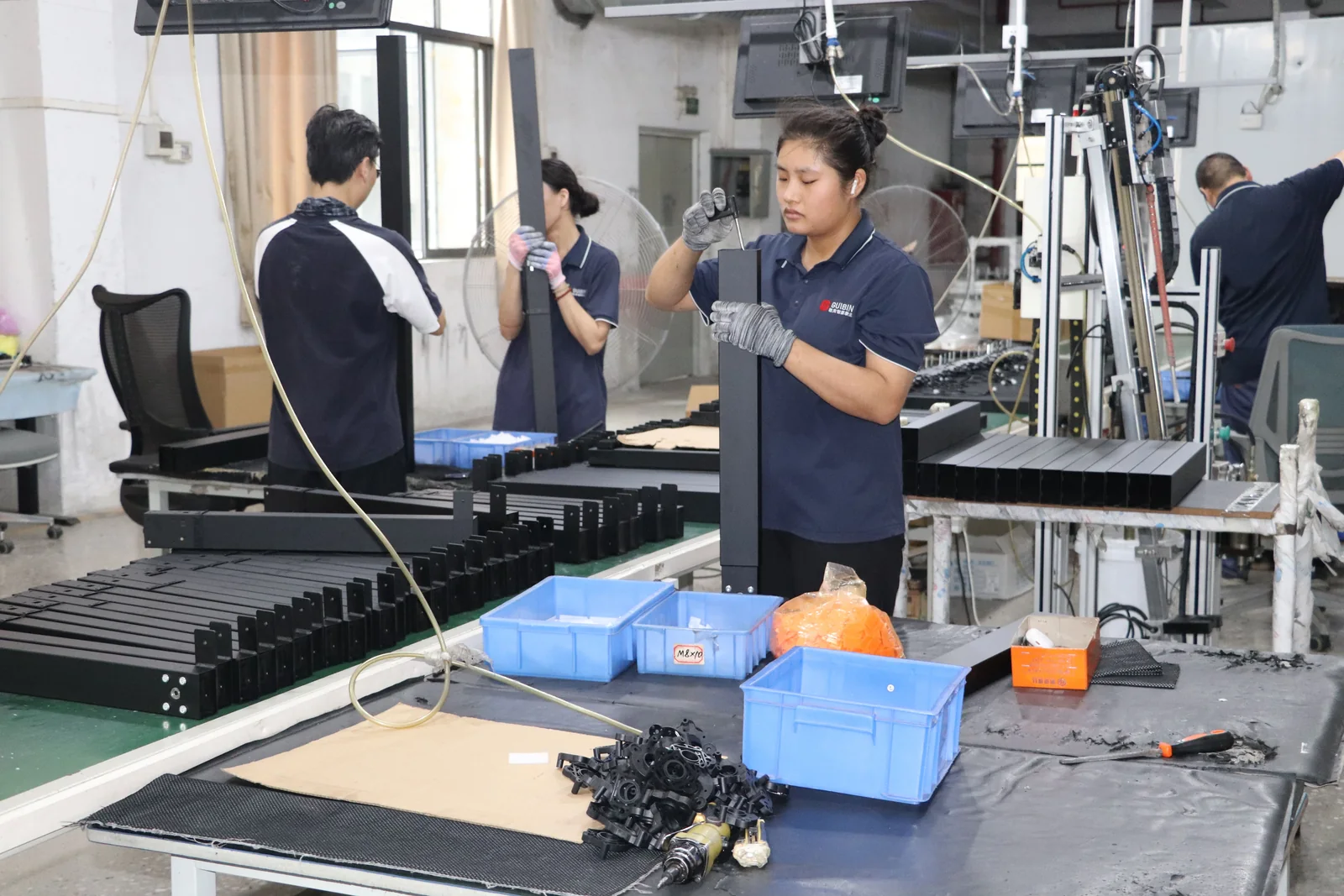
In a frame-only model, the manufacturer supplies the lifting base and the buyer or local partner takes responsibility for selecting, making or integrating the tabletop and sometimes other visible components. This can be attractive where the brand already has a wood, stone, laminate or specialised top programme, or where local manufacturing is a deliberate part of the product story.
In a complete-desk model, the frame, tabletop, accessories, packaging and instructions are treated as one factory-supplied product. It can simplify product definition, packaging and support because the factory is working from a single approved configuration. It does not remove the need for careful samples and documentation; it simply concentrates more decisions in one supply relationship.
Avoid a false comparison
Do not compare a frame-only price with a complete-desk price as though they are competing line items. First calculate who owns the top, labour, packaging, quality checks, warehouse work and service responsibility in each model.
TEST THE TECHNICAL HANDOFF
Desktop compatibility should be designed, not assumed.
A frame needs a clear interface with the top: mounting pattern, dimensions, weight, balance, fasteners, cable routing, edge clearances and any accessories. The buyer should ask for the relevant drawings and confirm how the proposed desktop affects the lifting system and the finished-product experience.
OSHA's workstation guidance notes that desk surfaces should support working postures and provide appropriate clearance. That is not a universal specification for every product, but it is a useful reminder that the visible desktop is not merely decorative. It influences leg room, equipment placement, cable management and how the desk will be used.
COMPARE THE OPERATING MODEL
The supply model should match the capabilities you already have.
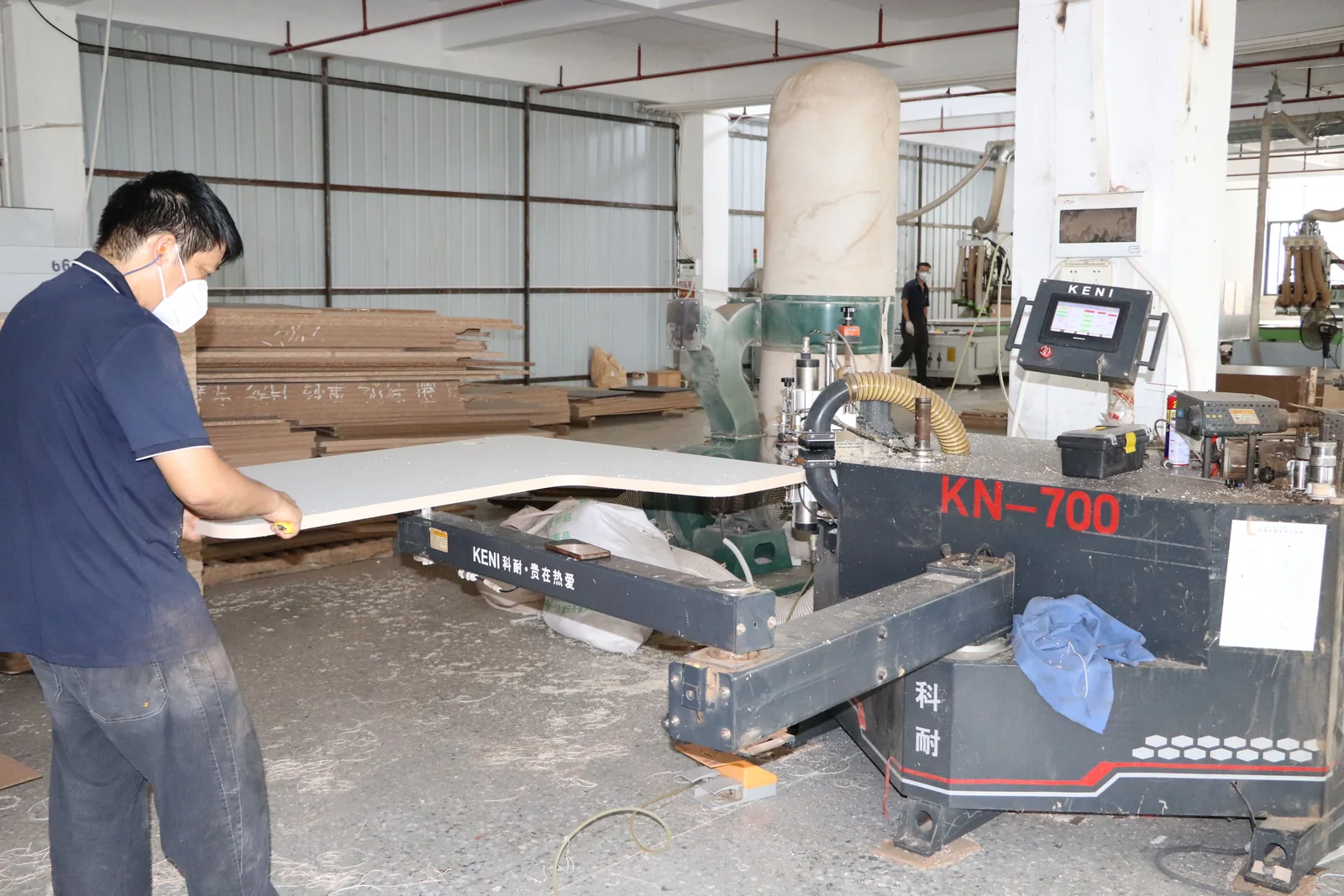
Choose frame-only when your organisation has a strong local tabletop capability, a distinctive material offering or a regional production reason to keep that part of the desk close to market. The buyer must then manage compatibility, local quality control, product documentation and a clear route for handling issues that sit between the frame and the top.
Choose a complete desk when speed of assortment, a controlled factory configuration, unified packing and a single support handoff matter more than local top flexibility. The buyer still needs to clarify every component and packaging detail, but the desk arrives as one commercial product rather than a system that must be integrated after import.
FOLLOW THE PRODUCT THROUGH DELIVERY
Packing and assembly are part of the sourcing decision.
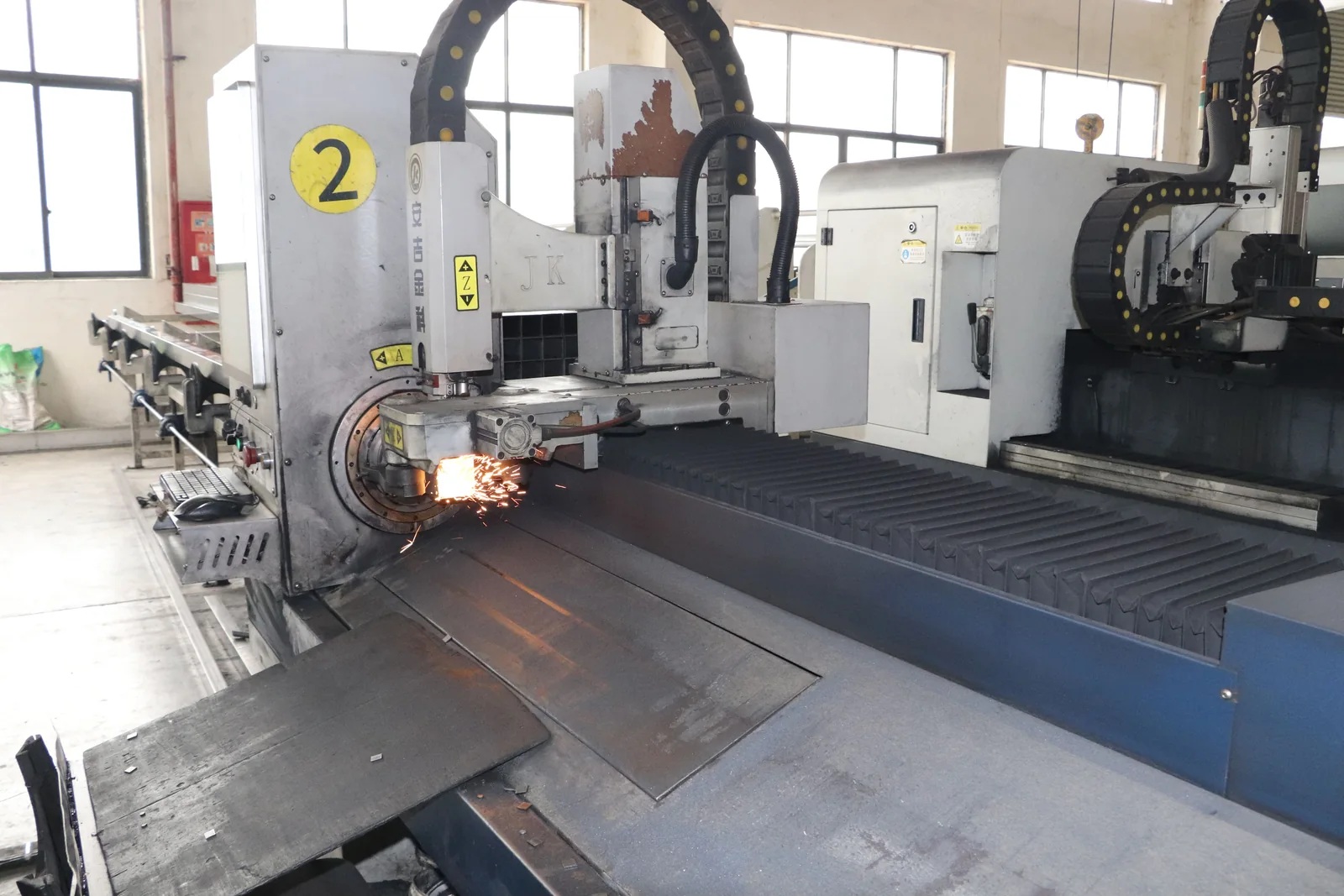
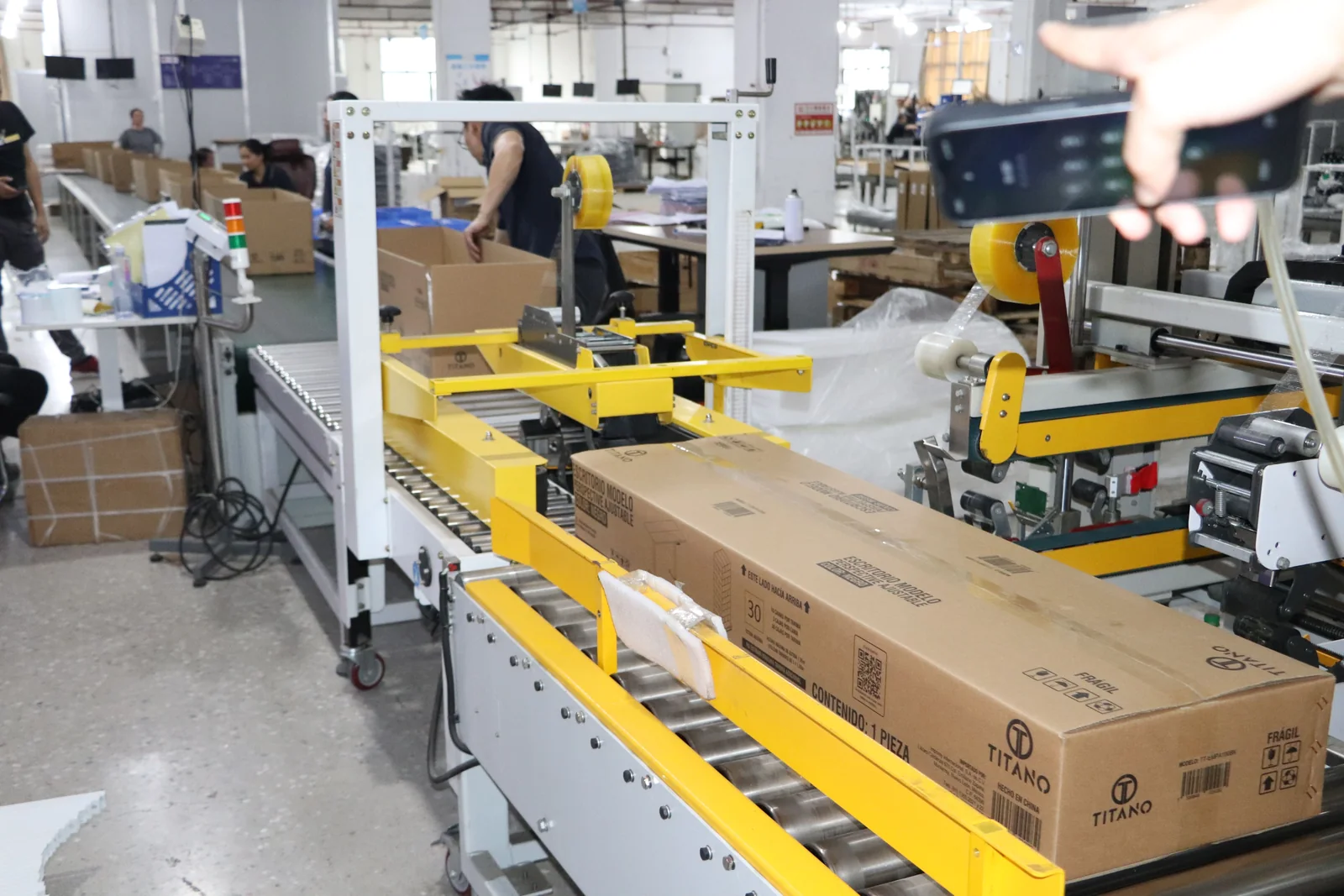
A complete desk may arrive as a clearly defined boxed product, but its carton, gross weight, instructions and accessory packing still need review. A frame-only program shifts part of that task to the buyer: how will the top and frame be packed, assembled, labelled and supported in the local market? Neither answer is automatically better. The question is whether the intended party has the systems to carry the work.
Incoterms help buyers and sellers allocate shipment-related costs, risk and obligations when the named rule and place are correctly used. They do not decide every commercial issue, including title, payment or product liability. Keep the supply-model decision and the delivery-term decision connected, but do not treat one as a substitute for a clear contract.
USE A DECISION MATRIX
The right model is the one your organisation can support after purchase order release.
Rate both models against the decisions your business actually owns: product design, tabletop sourcing, local assembly, documentation, warehouse handling, quality review, service parts, speed to market and channel expectations. Bring finance, product, operations and sales into the same review. They will often see a cost that a unit-price comparison misses.
Once the model is selected, write an RFQ that states the configuration, technical interfaces, packing, sample, evidence, change-control and commercial assumptions. The quality of that first document will have more influence on the result than a broad label such as ‘frame only’ or ‘complete desk’.
FREQUENTLY ASKED QUESTIONS
Questions to settle before you request a quotation.
Can we source frames now and add complete desks later?+
Yes, if the product architecture, documentation and responsibility split are planned for it. Treat the change as a new configuration decision: the completed desk needs its own approved top, packing, instructions, product evidence and commercial scope.
Which model offers more customization?+
Frame-only often offers more local tabletop flexibility. A complete desk can still be highly customised when the supplier can control the top, finishes, packaging and accessories as one documented program. The question is who can control the chosen details consistently.
Who handles a problem caused by frame-to-top integration?+
That should be agreed before the order. Define the approved interface, component ownership, installation method, inspection point and escalation route. A clear written split is more useful than assuming one party will absorb the issue.
RELATED BUYER GUIDES
Continue with the next practical question.
Each guide below develops the product, evidence or commercial question that naturally follows this one.
STANDING DESKS
Standing Desk Frame Buyer’s Guide: How to Choose the Right Electric Base
Compare electric bases through final configuration, evidence, controls and a like-for-like commercial brief.
STANDING DESKS
Single-Motor vs Dual-Motor Standing Desk Frames: A Buyer’s Decision Framework
Compare motor configurations around the actual desk, use case, evidence and commercial scope.
MANUFACTURER SHORTLIST
Top 10 Standing Desk Manufacturers in China (2026)
Compare 10 standing desk manufacturers in China for complete desks, frames and OEM/ODM sourcing, with buyer questions and a quotation checklist.
READY TO MAKE A MORE INFORMED DECISION?
Compare a frame-only and complete-desk brief on the same basis.
Share the products you own locally and the market you are serving. We will help surface the technical and commercial handoffs before you request a quote.
Discuss your standing desk supply modelSOURCES AND FURTHER READING
These external references support the standards, shipment and regulatory context in this guide. Requirements should always be verified against the exact product configuration, destination market and commercial arrangement.
ABOUT THIS GUIDE
Written by the GB Ergonomic Editorial Team and reviewed on October 27, 2026. This is an educational buyer resource, not legal, certification or regulatory advice. Product evidence, standards and commercial terms should be confirmed for the exact configuration and destination market.